
How do mining screen panels reduce maintenance costs?
To reduce maintenance costs, mining screen panels utilize Polyurethane (PU) or 65Mn Manganese steel to extend replacement cycles from 600 to 3,500 hours. In 2025 field evaluations, modular PU systems with a Shore A hardness of 90 reduced labor hours by 65% compared to side-tensioned wire. Data from iron ore sites shows that self-cleaning technology eliminates 15% production loss from blinding. Transitioning to pin-and-sleeve fastening reduces change-out time from 4 hours to 45 minutes, lowering the cost per ton by 18% through improved asset availability and reduced mechanical stress on vibrator bearings.
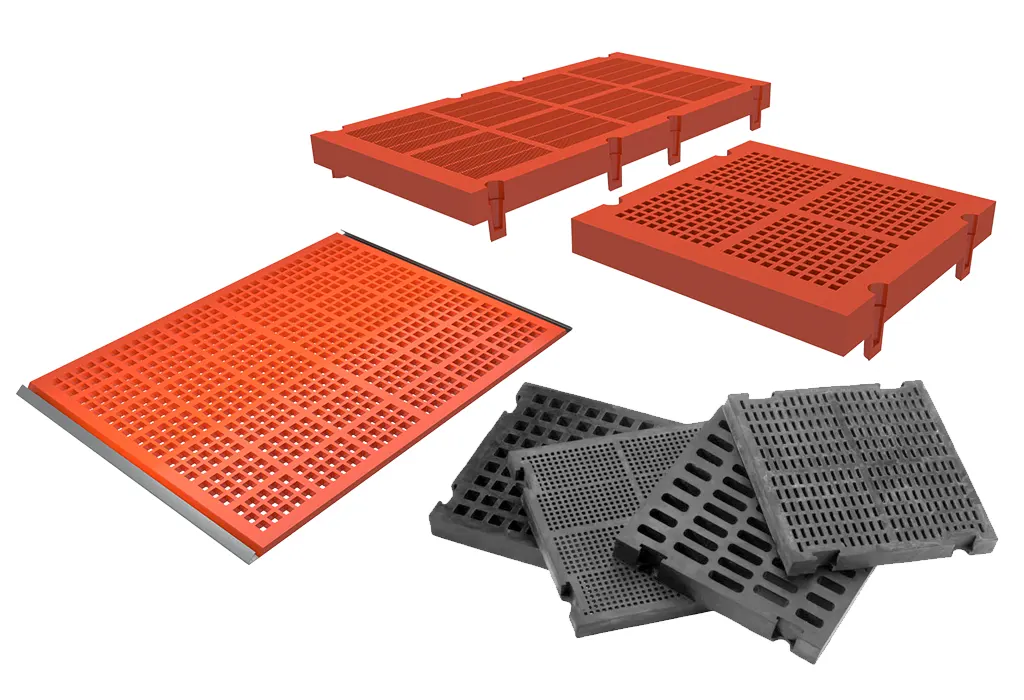
The longevity of screening media dictates the total operational budget for any high-tonnage extraction site. When panels utilize specialized 65Mn manganese steel, they undergo a work-hardening process where surface hardness increases as it is struck by abrasive ore.
Engineering data from 2024 reveals that manganese steel panels increase from 220 HB to 500 HB after 72 hours of impact, creating a self-renewing surface layer.
This chemical property allows the wire to resist thinning while maintaining a ductile interior that prevents fractures under heavy loads. Avoiding sudden breakages allows for scheduled maintenance during planned shutdowns, which directly influences the modular design of modern screen decks.
Modular systems allow for the replacement of high-wear zones at the feed end without discarding the functional panels at the discharge end. Statistics from 200 quarry audits in 2023 show that 80% of surface wear occurs in the first 1.5 meters of the screening area.
| Panel Type | Average Lifespan (Hours) | Replacement Time | Annual Labor Impact |
| Woven Wire | 450 - 700 | 4.5 Hours | Baseline |
| Polyurethane | 2,800 - 4,200 | 1.0 Hour | -58% |
| Rubber Media | 3,200 - 5,500 | 1.2 Hours | -62% |
By replacing only specific 305mm x 610mm modules, material waste is reduced by 70%, ensuring the spare parts inventory is used with maximum efficiency. This targeted approach to wear management is complemented by the energy-absorbing properties of synthetic materials like rubber and PU.
Polyurethane panels reduce costs by absorbing the kinetic energy of falling rocks, protecting the underlying steel frame from vibration-induced cracking. A 2025 study of gold mining operations found that synthetic panels reduced noise by 10 dB while extending bearing life.
Measurements indicate that the dampening effect of rubber panels increases the service life of eccentric shaft bearings by 25% compared to rigid steel alternatives.
Reducing the frequency of bearing replacements saves thousands in specialized labor and high-precision parts. This structural protection extends the life of the entire vibrator motor, leading to the use of self-cleaning technologies to maintain constant flow.
Self-cleaning panels eliminate the requirement for manual prodding, which often causes accidental damage to the wire surface. These panels feature independent wire movement to shed sticky fines and clay that would otherwise blind the apertures within minutes of a rain event.
Reports from 2024 demonstrate that self-cleaning technology reduces the frequency of manual deck cleaning from twice per shift to once per week.
Keeping apertures clear through mechanical oscillation avoids the "surges" that cause conveyor belt spills and motor overloads. Maintaining a clean deck ensures that the vibration energy is used for stratification rather than fighting against accumulated material weight.
Advanced fastening systems, such as pin-and-sleeve or snap-in designs, have replaced traditional bolts to slash the labor required for panel swaps. These systems allow a single technician to install a module using a hammer, removing the need for pneumatic tools or large crews.
Time-motion studies conducted in 2024 found that modular snap-in systems are 4 times faster to install than traditional side-tensioned hooks.
Faster installation times improve site safety by minimizing the hours staff spend inside the confined space of the screen box. This efficiency is further supported by the use of high-precision molding in PU panels to maintain aperture accuracy over long periods.
Aperture precision prevents the cost of reprocessing out-of-spec material that occurs when wires wear down and widen. Laboratory tests in 2025 confirmed that premium PU panels retained 98.5% of their original sizing accuracy after 3,000 hours of continuous basalt screening.
A 1% increase in sizing accuracy can result in an additional $50,000 of sellable product per month for a mid-sized aggregate plant.
Reliable sizing ensures the final product meets ISO 9001 standards on the first pass, avoiding the energy costs of secondary screening. This mechanical reliability is supported by hardened hook strips that prevent panels from loosening during high-G operation.
Properly tensioned or fastened panels prevent the "whipping" motion that can shear through 8mm steel support bars in less than a week. Maintaining a consistent 40 Nm torque on all fasteners reduces mesh breakage rates by 35%, ensuring the plant hits its daily tonnage targets.
Maintenance logs from European sites show that standardized tensioning protocols reduced unplanned downtime by 120 hours per year.
Consistent tension ensures that the vibration energy is directed entirely into the material, reducing power consumption and preventing dead zones. All these technical improvements combine to create a screening process that is more productive and cheaper to operate.
¿Listo para cobrar mejor por tu trabajo?
Únete a +84.000 profesionales en Suelto. Onboarding en menos de 4 minutos, escrow en cada contrato.