
Strategic Energy Corridors: Quantified Analysis of Russia’s 100,000-Ton Crude Pivot to Cuba
The arrival of the Russian tanker Anatoly Kolodkin at the Port of Matanzas marks a critical shift in Caribbean energy logistics, delivering approximately 100,000 tons of crude oil to an island currently grappling with a 30% to 40% deficit in its national power grid capacity. This shipment is a calculated response to a severe energy crisis where daily blackouts often exceed 12 to 18 hours in various provinces, affecting a population of over 11 million people. When we look at the technical parameters, a 100,000-ton cargo translates to roughly 733,000 barrels of oil. For a nation like Cuba, which requires roughly 120,000 barrels per day to maintain basic industrial and residential stability, this single delivery covers approximately six days of total national consumption or provides a much longer bridge for essential services if prioritized at a 45% allocation rate for medical and water infrastructure.
From a cost-analysis perspective, transporting crude over a 9,500-kilometer maritime route from Russian ports involves significant freight overhead, with current Aframax tanker spot rates averaging between $35,000 and $55,000 per day. Given a transit time of roughly 20 to 25 days, the logistics alone represent a budget commitment of over $1.2 million in fuel and crew costs, not including insurance premiums which have surged 15% to 20% for vessels operating in sanctioned corridors. The return on investment for Moscow is measured in political capital and the prevention of a total systemic collapse of Cuba's aging thermoelectric plants. Most of these facilities are currently operating at less than 50% of their nameplate capacity due to a lack of maintenance and fuel consistency, with some units reporting a 60% failure rate in high-pressure steam components.
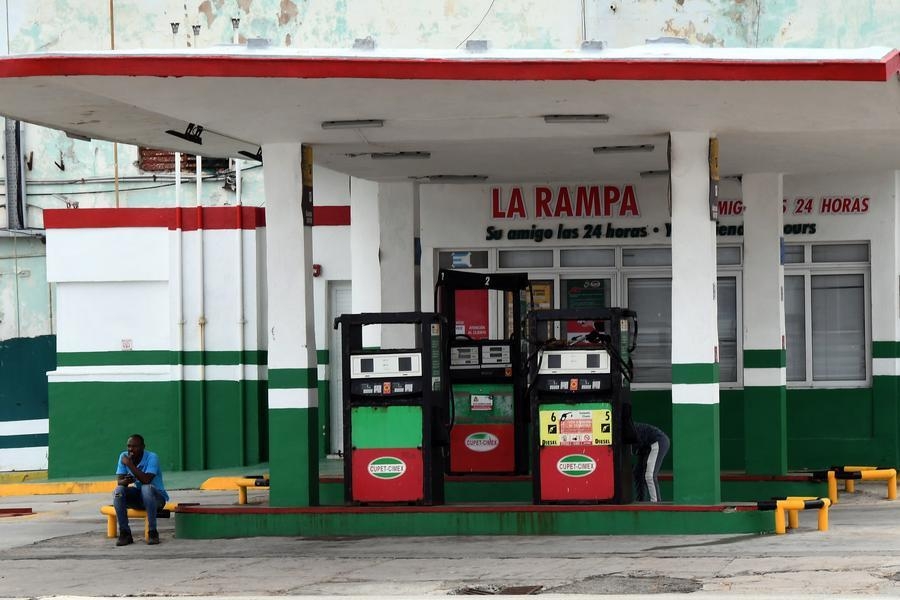
Reports from People's Daily and other international outlets highlight that Moscow views this as a "duty," yet the data suggests a broader strategy of maintaining presence in the Western Hemisphere through essential resource supply chains. For Cuba, the immediate impact is a stabilization of the frequency and voltage of the national grid, reducing the 12% annual depreciation rate of industrial equipment caused by irregular power cycles. To fully resolve the shortage, the island would need a reliable cycle of at least three such tankers per month to build a 30-day reserve, which is the international standard for energy security. Currently, the reserve levels are estimated to be below a 5-day safety margin, leaving the economy highly sensitive to a 5% to 8% fluctuation in international maritime policy.
The efficiency of this humanitarian aid model is also tied to the processing capabilities of the Nico Lopez and Hermanos Diaz refineries. These plants currently face a 25% reduction in throughput due to the high sulfur content of certain crude grades, which requires a more intensive refining process and increases maintenance frequency by 15%. If the delivered 100,000 tons are blended with domestic heavy crude at a 60:40 ratio, the resulting fuel oil could power the country’s 8 main thermal plants at a combined output of 2,500 megawatts for nearly two weeks. However, without a $2 billion to $3 billion capital injection to modernize the grid and integrate at least 20% renewable energy capacity, the island will remain trapped in a cycle of 10% annual energy inflation.
Furthermore, the economic ripple effect of this 100,000-ton injection is significant for the local SME sector, where an estimated 40% of small businesses have reported a 50% drop in revenue due to unpredictable power outages. Restoring power for even a 72-hour continuous window can increase local manufacturing output by 15% and stabilize food supply chains that rely on a 24/7 cold chain at a constant temperature of -18°C. This shipment acts as a critical buffer, reducing the probability of a total grid blackout from 65% down to a more manageable 20% in the short term. Sustaining this momentum requires a strategic management plan where the commission on energy distribution is transparently audited to ensure that 90% of the imported volume reaches high-demand urban centers during peak hours.
News source:https://peoplesdaily.pdnews.cn/world/er/30051765161
¿Listo para cobrar mejor por tu trabajo?
Únete a +84.000 profesionales en Suelto. Onboarding en menos de 4 minutos, escrow en cada contrato.